La Alma
Located in Denver
Background Information
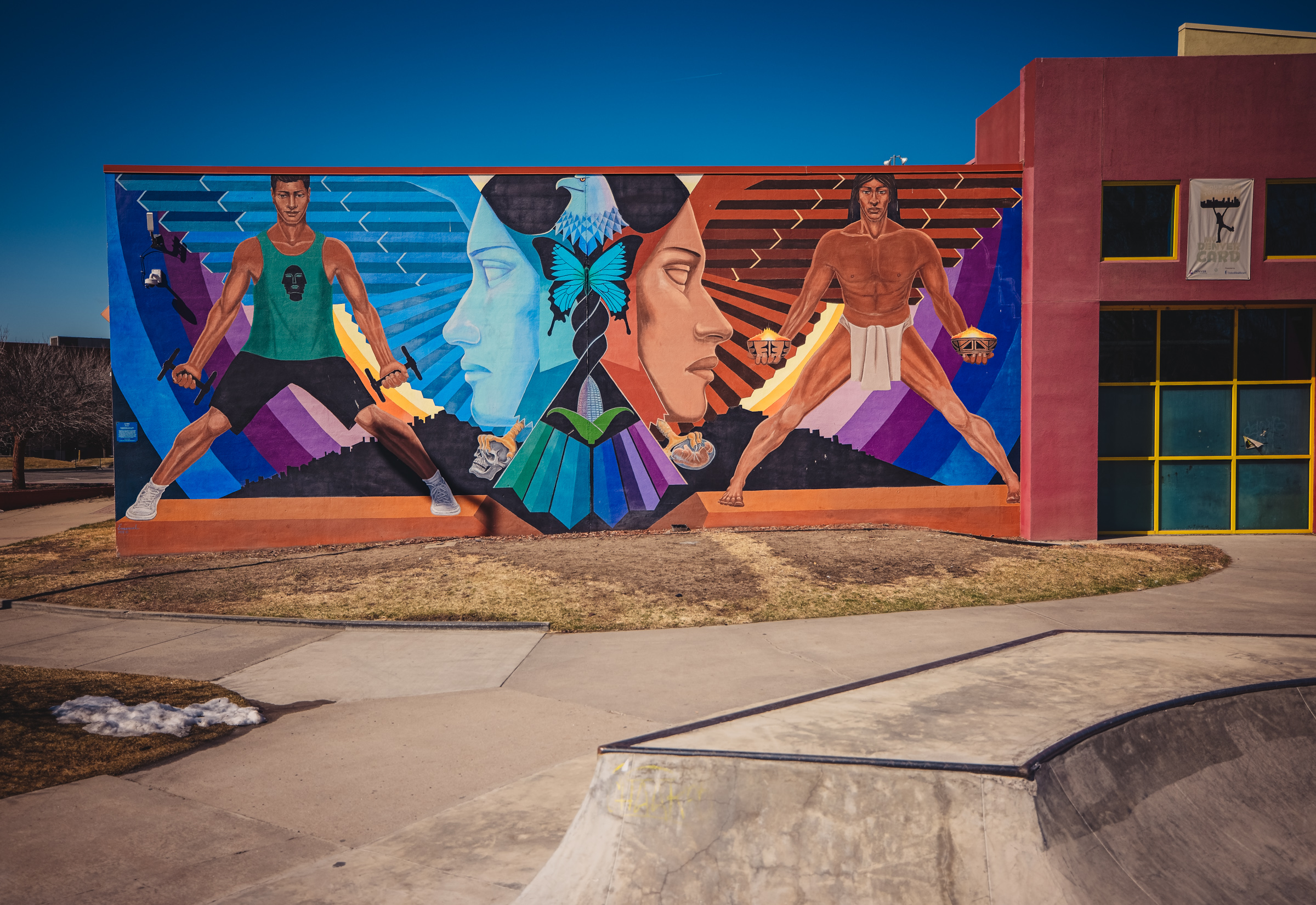
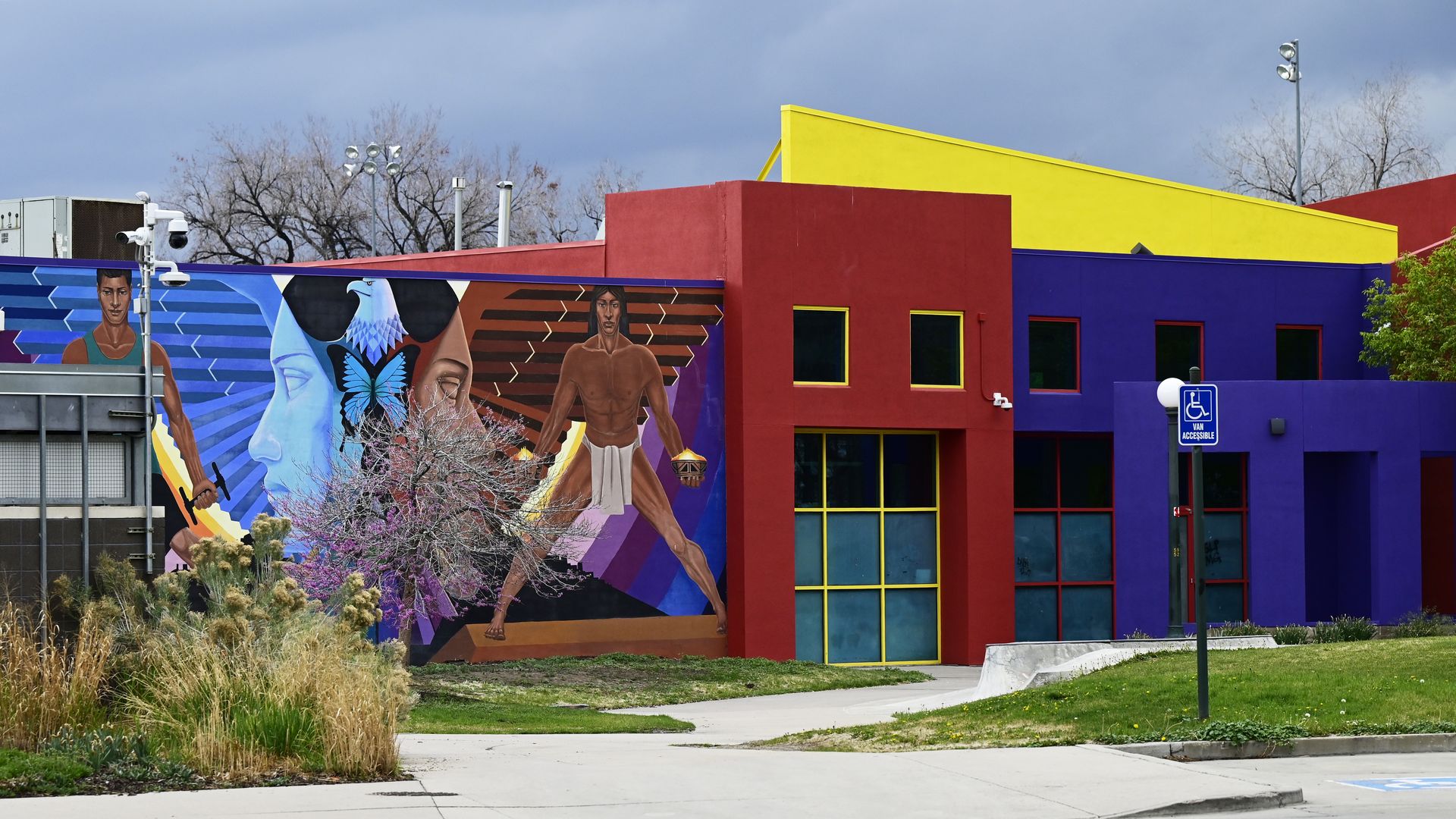
La Alma / Lincoln Park in Denver contains one of the most significant collections of Chicano murals in the United States. Many of these works were created in the 1960s and 1970s alongside broader Chicano Movement activism around education, policing, and housing discrimination. The murals weave together Indigenous symbolism, Catholic imagery, representations of protest, and depictions of everyday neighborhood life. They make visible the long standing presence of Mexican American and Chicano communities in Denver.
The concentration of murals in La Alma transforms the neighborhood into a spatial archive. Unlike traditional archives that reside in controlled institutional spaces, this archive is inseparable from residential life. Community members encounter it as they walk through the park, attend local events, or simply live their daily routines. The murals narrate histories that can be touched, revisited, and used as reference points in ongoing struggles over urban development and cultural recognition.
Rhetorical Analysis
Historical Preservation
The La Alma murals function as a sort of historical preservation. They are historical stories produced by community members rather than by academic or governmental institutions. This form of story telling demonstrate experiences of deprivation, solidarity, and culture that are often left ignored by those in power. By painting these stories onto walls and park structures, artists create a form of historical memory that exists within the neighborhood.
Politics and Gentrification
As Denver experiences intense redevelopment, La Alma faces pressures of gentrification and rising property values. In this context, the murals do more than record past struggles. They actively challenge contemporary processes that threaten to displace long standing residents. Their continued existence asserts a claim to the neighborhood that challenges real estate stories that frame the area as newly discovered or revitalized space.
The Overton Window
Over time, city institutions have increasingly recognized the La Alma murals as part of Denver's cultural heritage, reflected in historic district designations and preservation efforts. This institutional recognition indicates a shift in the Overton Window. Visual expressions that once aligned with "radical" activism are now incorporated into the city's culture. While this recognition can support preservation, it also demonstrates how society often changes its understanding of what is considered acceptable or unacceptable. As a result, the murals serve as a reminder of the ongoing struggle to preserve history and cultural expressions.